

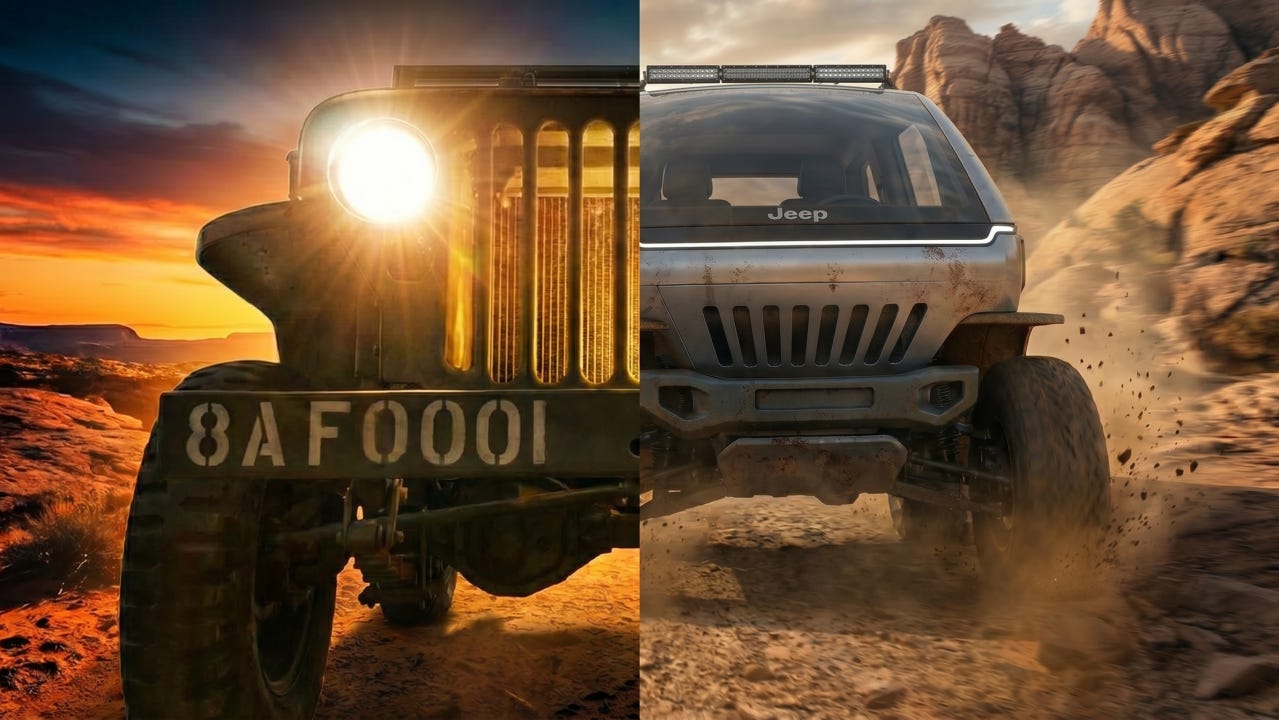
At our latest Have It For Breakfast podcast we ran a live experiment; redesigning the 1941 Willys MB Jeep for 2030; matching the estimate price point of $20,000 (adjusted for inflation), flat-pack, repairable anywhere, one hour on the clock and same AI tools for everyone (Vizcom).
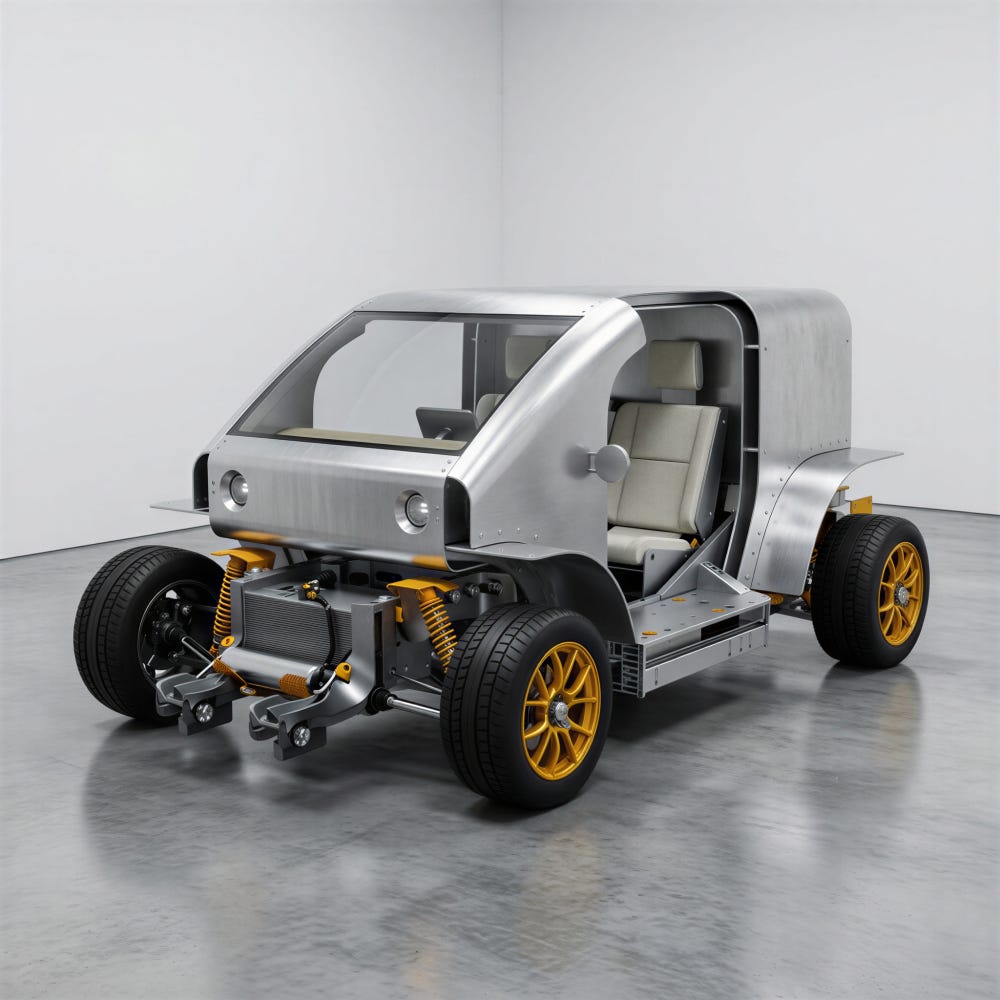
Henrik’s Willys Jeep 2030 Concept
𝗛𝗲𝗻𝗿𝗶𝗸 𝗦𝘃𝗮𝗻𝘃𝗶𝗴, interning in exterior design at Zeekr in Gothenburg, worked backwards from manufacturing. Sheet metal, CNC water-jet cuts, brake-press bends. Panels that could be swapped between front and rear so damage became cheap to fix. A roof that detaches into a boat. He was refreshingly blunt about the tool itself: “It’s a lot of hit and miss. When I sketch something out, I’m in a lot more control.” His craft led. AI followed.
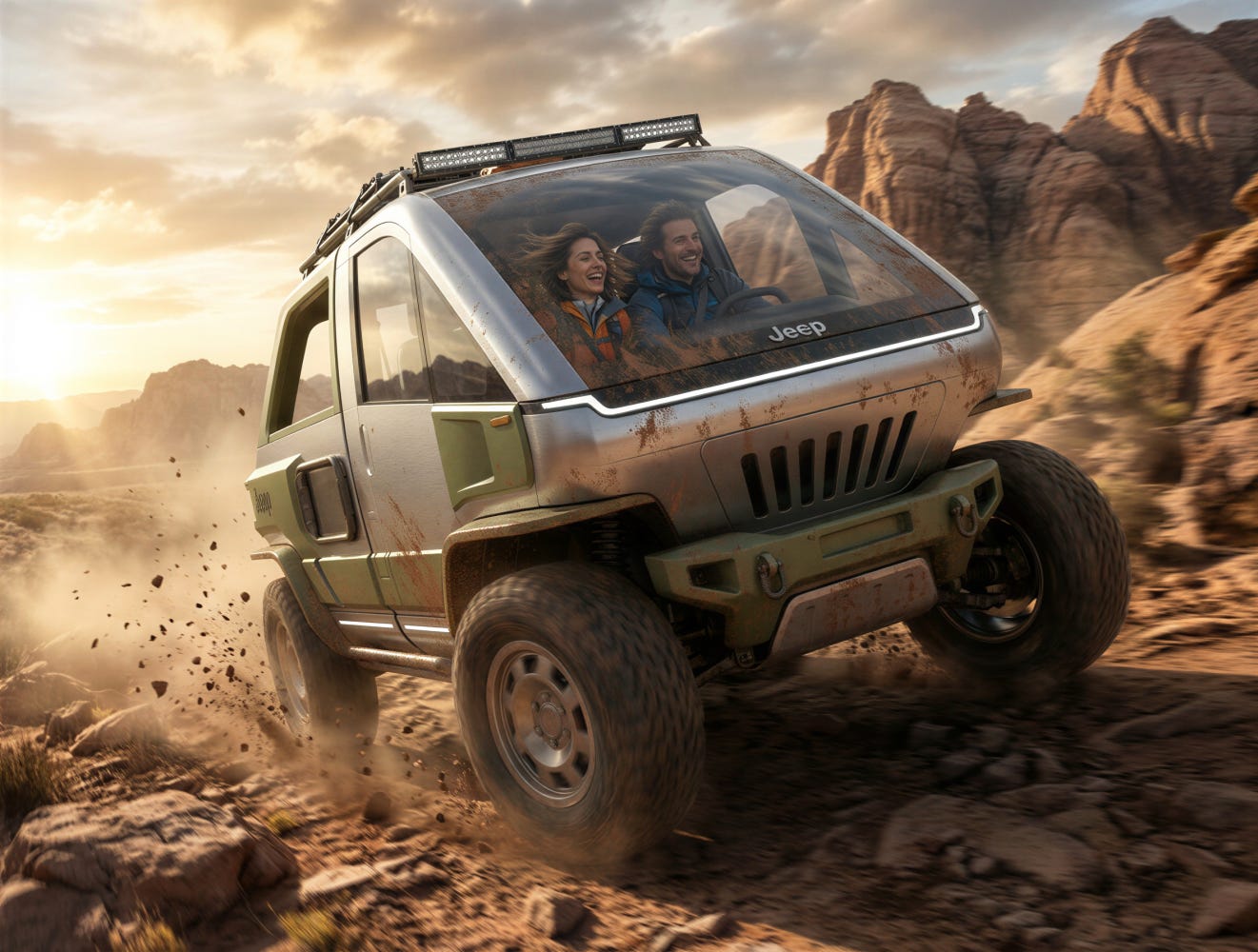
Eric’s Concept
Willys Jeep for 2030Willys Jeep for 2030𝗘𝗿𝗶𝗰𝗸 𝗠𝗮𝗿𝘁𝗶𝗻𝗲𝘇, an industrial designer in Munich, refused to design a car at all for the first thirty minutes. He generated abstract modular sculptures from blocky sketches, iterating at different prompt strengths until the form language felt right. Only then did a chassis appear underneath. What emerged was a narrow quadricycle with swappable rear modules: pickup, cargo box, food truck, tow crane. Less a vehicle, more a platform.
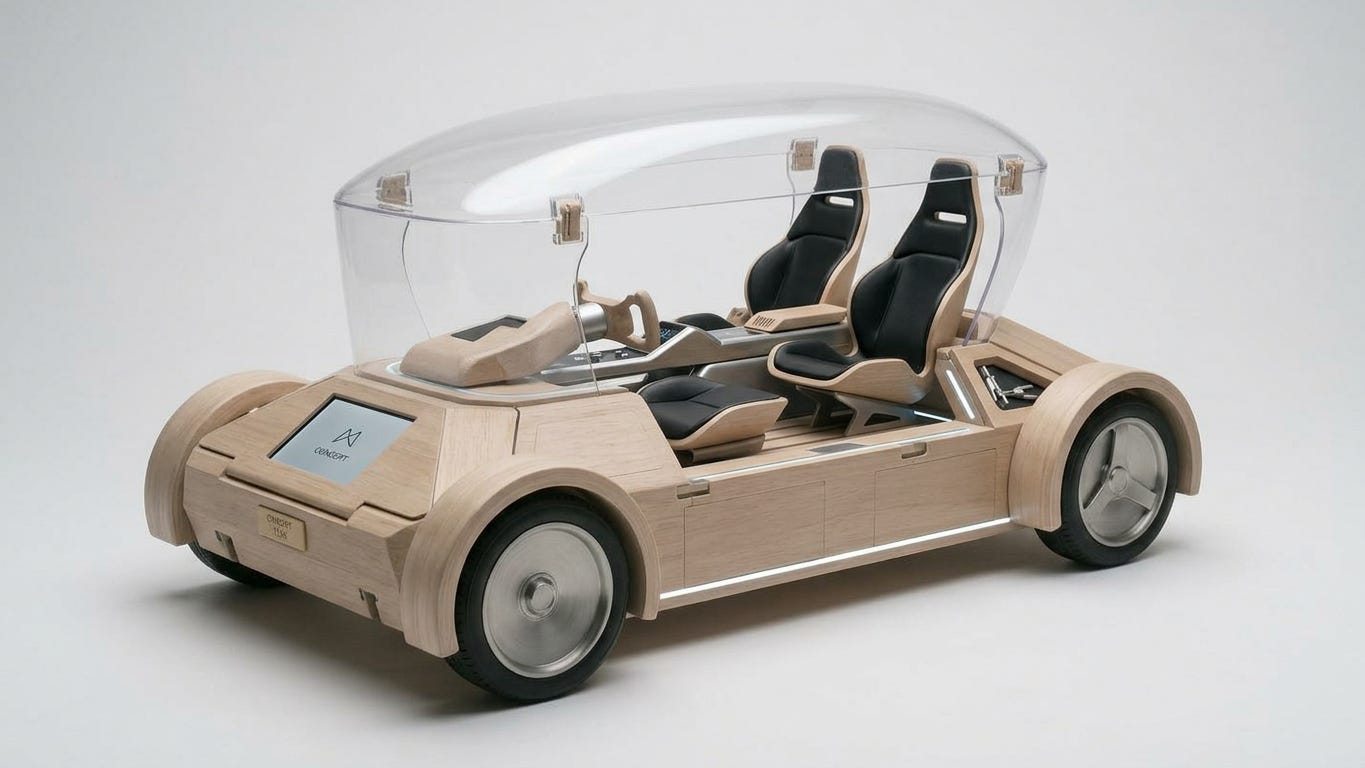
Rahan’s Concept
𝗥𝗮𝗵𝗮𝗻 𝗕𝗼𝘅𝗹𝗲𝘆, a creative director in Singapore, started with people. Africa in 2031. Merchants, nurses, soldiers. He built the world before he built the product. His output looked like something Charles Eames and Buckminster Fuller might have argued about: balsa frame, polycarbonate panels, an E Ink dashboard, the whole thing clearly inviting you to tinker with it.
Three methodologies. Three outputs that don’t look like they came from the same tool, because in a meaningful sense they didn’t..
𝗧𝗵𝗲 𝗰𝗼𝘂𝗻𝘁𝗲𝗿𝗶𝗻𝘁𝘂𝗶𝘁𝗶𝘃𝗲 𝗽𝗮𝗿𝘁
𝗘𝗿𝗶𝗰 𝗦𝘁𝗼𝗱𝗱𝗮𝗿𝗱, who runs Car Design Academy with 𝗗𝗮𝘃𝗶𝗱 “𝗡𝗲𝗺𝗼” 𝗡𝗲𝗮𝗹, taught the framework behind the session, put the problem simply: if you ask AI for a car, you get a car. A derivative one, averaged from every car image in the training data.

So the designers didn’t ask for cars. They asked for sculptures, for worlds, for sheet-metal furniture. Brand cues went in at the end of the prompt chain, not the beginning. Eric demoed this beautifully earlier in the session with a sports car concept that started as two lines and a fluid curve, and only earned the word “Porsche” in its final generation. The iconic elliptical headlamps made the cut. Almost nothing else did.
𝗪𝗵𝗮𝘁 𝗮𝗰𝘁𝘂𝗮𝗹𝗹𝘆 𝗰𝗵𝗮𝗻𝗴𝗲𝘀
Speed is the obvious headline, and it’s the least interesting thing about this. The interesting shift is that Stoddard and Neal are now running AI-generated customer focus groups on AI-generated designs, resetting the same virtual panel repeatedly without the contamination a real panel picks up after its first exposure. They’ve also put non-designers through the same framework, marketers, engineers, one former Wall Street trader, and watched them produce work indistinguishable from trained designers. The work in this session was distinctive because three designers with sharply different points of view refused most of what the tools offered them. Taste was the limiting reagent, not compute.
If you want to see the next one, we’re planning another 60-minute challenge with a different product. Tell us in the comments what you’d want redesigned.
Originally published in the For Breakfast newsletter on LinkedIn, April 22, 2026. Full video episodes are on YouTube at @HaveItForBreakFast.