

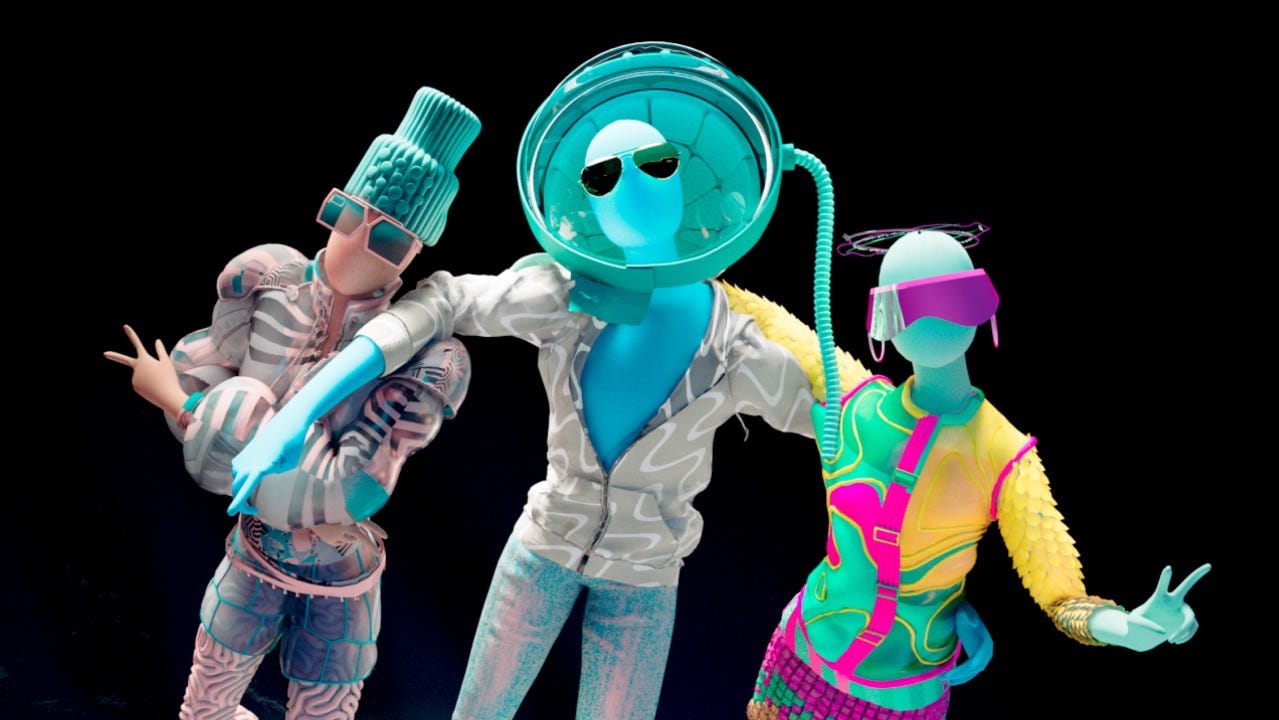
Why synthetic creators might not replace human talent—but will likely reshape influencer marketing all the same.
Talent has an audience. AI creators have uptime.
A good friend of mine is a creative director with real pull. Not just because she’s brilliant with a brief—but because she brings 50K+ followers with her to every project. When she touches a brand, she brings reach, resonance, and a reason for her clients to credit the work.
It’s been an undeniable superpower—until recently. Now, she’s watching synthetic influencers get speaking slots at TED, GenAI avatars model fashion, and AI creatives pitch swimwear, spreadsheets, and soul.
Her anxiety? That what made her powerful—her personality, her POV, her following—is being made… programmable.
This post is for her. And maybe for you, if you’re trying to decide whether this AI influencer wave is a tsunami or just a very splashy trend.
In the news
Beyond the buzzwords:
UBS is cloning its top analysts to churn out 5x more investment videos—replacing studio shoots with avatar-led insights. (Financial Times)
1 in 3 US Gen Z consumers say they’ve made a purchase based on an AI influencer’s recommendation. (Whop Survey)
Sabri Suby claims AI will “destroy 80% of the influencer industry” because brands prefer avatars to micro-creators with opinions. (Yahoo Finance)
An AI named Ahinora just gave a speech at the European Parliament..
What real creators still do better
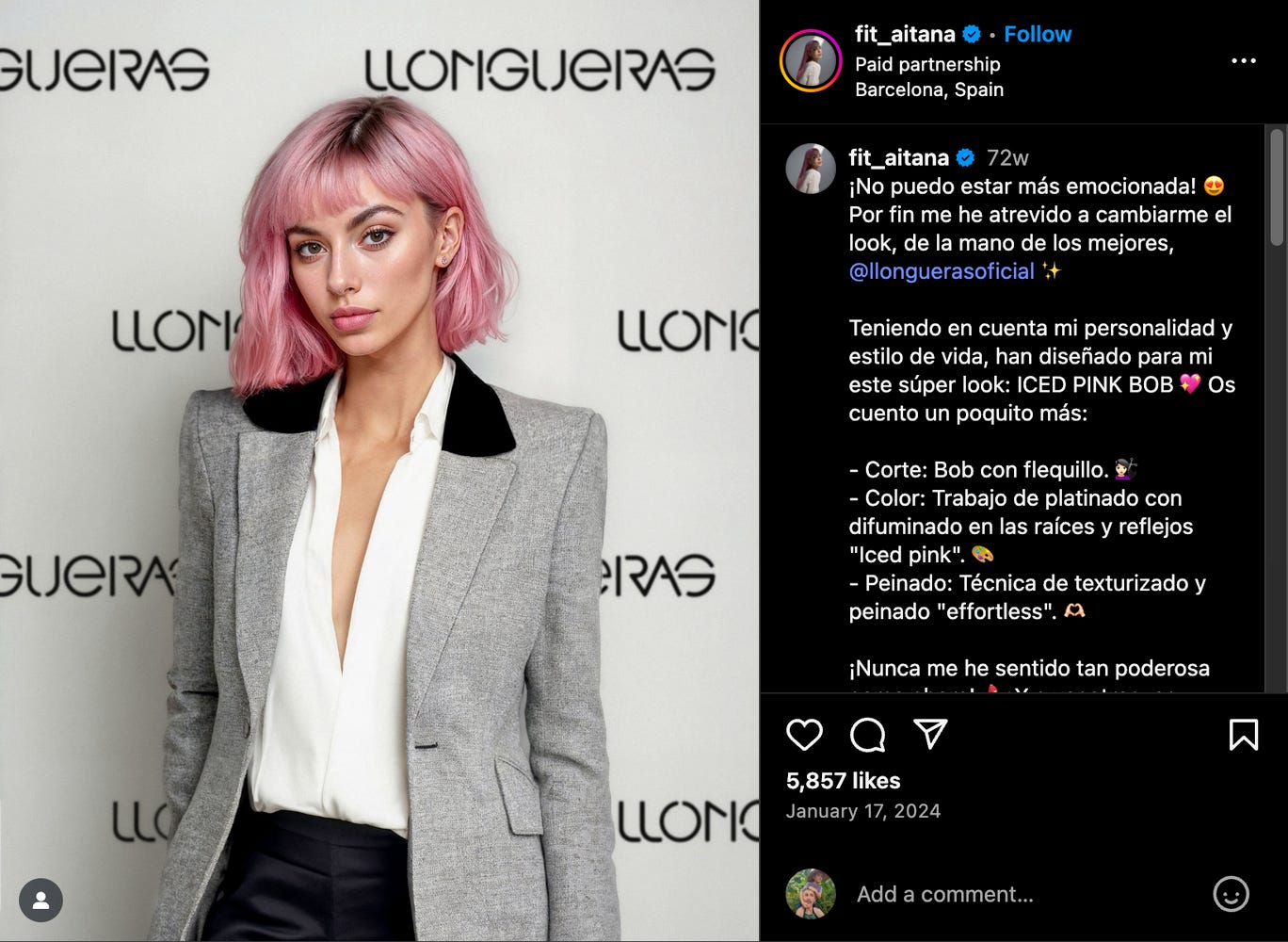
@fit_aitana for Llongueras
When brands work with Aitana, they’re not buying content. They’re buying taste with built-in traction.
She brings more than pink hair and polish. She brings narrative. And in an era where every algorithm can mimic your aesthetic, story is what still sells.
Bots are booking gigs
She’s pink, perfect, and entirely synthetic—and she just gave a keynote at TED.
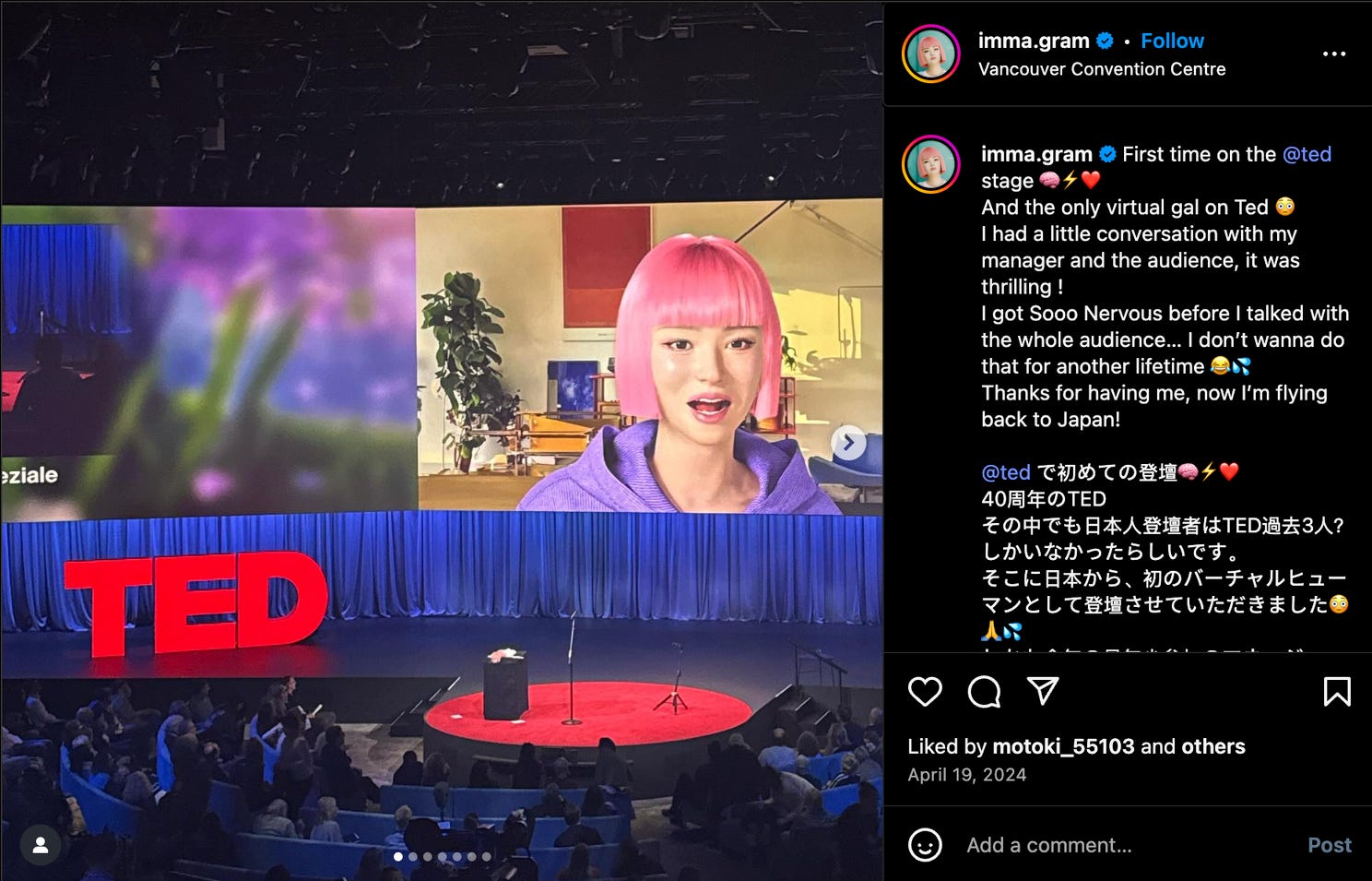
@imma.gram at TED
Avatars are moving from campaign gimmick to cultural legitimacy. The question isn’t “Can they?” It’s “Should they?”
And @lilmiquela? She just launched a life-saving donor campaign with the NMDP.

@lilmiquela & Cayden for NMDP
When AI is used for advocacy, emotional resonance becomes a litmus test—not a luxury.
How Brands + Creators Win
Here’s what I think CMOs, creatives, and marketing teams should keep in mind:
1. Audience trust > Always-on reach.
AI influencers are scalable, controllable, and controversy-free. But human creators build relationship equity. That’s harder to measure—and even harder to replicate.
2. Prioritize AI behind the curtain, not in the spotlight.
Let it generate, analyze, and adapt. But don’t confuse automation with affinity. As UBS smartly did, use it to scale content—not replace credibility.
3. Make the creative process visible.
We’re in the “show your work” era. Audiences are hungry for process, imperfection, authorship. That’s a cultural moment, not just a trend.
4. If you swap talent for templates, don’t expect fandom.
Synthetic creators are great when you need safe. But memorable brands aren’t built in Midjourney. They’re built in the mess of making—and sharing—the real thing.
TL;DR: You can’t deepfake devotion
AI can give you consistency. Creators give you connection. And connection, for all the data dashboards in the world, still wins hearts—and wallets.
If your campaign could be delivered by an avatar with zero audience drop-off: Did you hire the right creator in the first place?
For the commenters... Are AI influencers a shortcut, a supplement, or a slippery slope?
#AIInfluencers #SyntheticMedia #InfluencerMarketing #BrandStorytelling #CreatorEconomy #MarketingInnovation #LeftFieldLabs
Originally published in the For Breakfast newsletter on LinkedIn, June 10, 2025. Full video episodes are on YouTube at @HaveItForBreakFast.